
Vagus Nerve Therapy Darmstadt – Proven Relief for Body & Mind

Have you ever noticed how a good cry actually makes you feel better? Or how humming in the shower somehow shifts your entire mood? That’s your vagus nerve doing what it does best – helping your body process and release what it’s been holding onto.
I’m Ms. Kelly, and I work with this incredible nerve every single day at Touch by Trans in Darmstadt. The vagus nerve is like your body’s built-in therapist, constantly working to bring you back to center when life knocks you off balance. But here’s the thing – most of us have no idea how to actually work with it.
Vagus nerve therapy isn’t some new wellness trend. It’s ancient wisdom wrapped in modern understanding. Your great-grandmother probably knew instinctively that rubbing someone’s neck when they were upset would help them feel better. She just didn’t know she was stimulating the longest nerve in the human body and literally helping them shift out of stress mode.
The vagus nerve is fascinating because it’s both incredibly powerful and surprisingly accessible. Unlike other parts of your nervous system that require medication or years of therapy to influence, you can actually feel your vagus nerve respond to the right kind of touch within minutes. Sometimes within seconds.
Why Your Vagus Nerve Matters More Than You Think
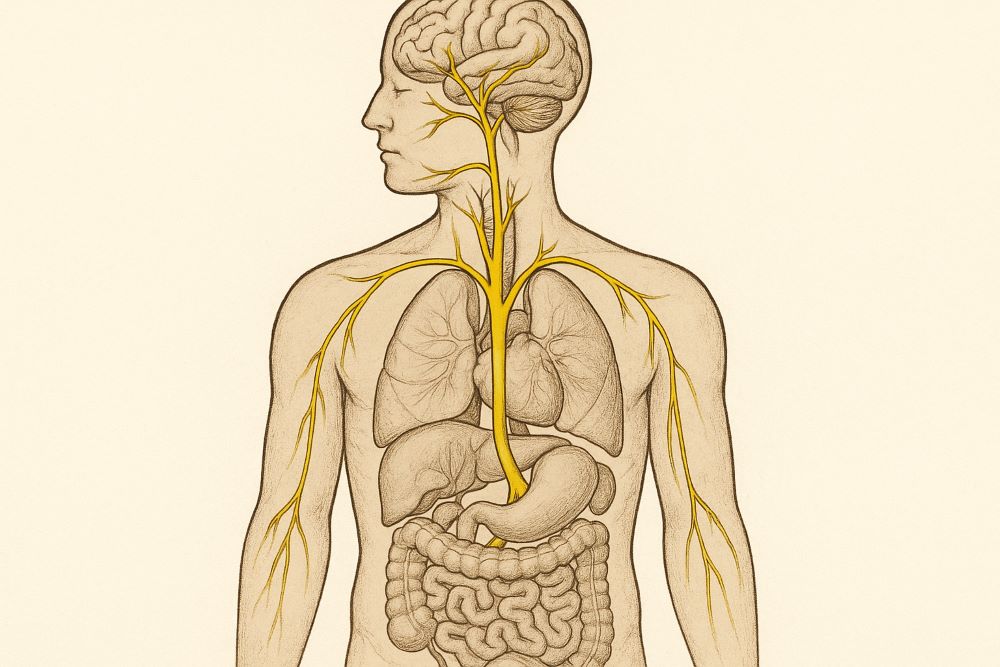
Most people think the nervous system is just about reflexes and movement, but your vagus nerve is actually the CEO of your emotional life. It’s constantly making decisions about how safe you are, how much energy you have available, and whether you can afford to relax or need to stay on high alert.
When your vagus nerve is working well, you feel resilient. Stressful situations don’t knock you over completely. You can bounce back from conflict. You sleep well, digest food properly, and generally feel like you can handle whatever comes your way.
But when your vagus nerve is compromised – which happens with trauma, chronic stress, or even just the regular overwhelm of modern life – everything becomes harder. Your body gets stuck in survival mode. Simple things like having a conversation or making dinner feel exhausting because your system thinks you’re constantly under threat.
This is where nervous system regulation through touch becomes so valuable. We’re not trying to change your personality or fix your problems. We’re simply helping your vagus nerve remember how to do its job properly – which is to keep you grounded, present, and capable of handling life’s ups and downs.
The Connection Between Touch and Vagal Health

Here’s what’s incredible about the vagus nerve – it responds immediately to the right kind of touch. Unlike other healing modalities that take weeks or months to show results, vagus nerve massage can shift your entire nervous system within a single session.
The nerve runs very close to the surface in several key areas: the base of your skull, along the sides of your neck, behind your ears, and around your jawline. These aren’t just random massage points – they’re direct access routes to your body’s reset mechanism.
When I work with these areas during trauma-informed massage, I’m essentially having a conversation with your nervous system. I’m sending signals that say “it’s safe to let your guard down here” and “you don’t have to carry all this tension anymore.”
But here’s what makes this work different from regular massage – it’s not about pressure or technique alone. Your vagus nerve responds to intention, presence, and safety just as much as it responds to physical manipulation. This is why the therapeutic relationship matters so much in somatic healing. Your nervous system needs to trust the person touching you before it will allow any real change to happen.
What Happens During Vagus Nerve Stimulation

When your vagus nerve is properly stimulated, the changes are both immediate and profound. I’ve watched people go from feeling completely overwhelmed to genuinely calm in the space of twenty minutes. Not fake calm or forced relaxation, but that deep, settled feeling that comes when your nervous system finally exhales.
Physically, you might notice:
- Your breathing spontaneously deepens without effort
- Chronic tension in your neck and shoulders begins to release
- Your heart rate slows to a more natural rhythm
- Digestive sounds start happening (your vagus nerve controls digestion)
- You feel warmth or tingling as circulation improves
- Your face softens in ways you can actually feel
Emotionally, the shifts can be even more dramatic:
- Anxiety that felt overwhelming suddenly becomes manageable
- You feel more present in your body instead of floating above it
- Emotions that were stuck begin to move and process naturally
- You experience what I call “good tiredness” – the kind that leads to restorative sleep
- There’s often a sense of coming home to yourself
Mentally, many people report:
- Racing thoughts slow down naturally
- Decision-making becomes easier because you’re not operating from panic
- You can access creativity and problem-solving abilities that stress had blocked
- Memory improves because your brain isn’t using all its energy on threat detection
This is vagal tone improvement in real time – your body remembering what it feels like to function from a place of safety rather than survival.
Understanding Trauma’s Impact on the Vagus Nerve

When someone has experienced trauma, their vagus nerve often develops what I call “trust issues.” It becomes hypervigilant, constantly scanning for threats even in genuinely safe situations. Or it goes the opposite direction and shuts down completely, creating a sense of numbness and disconnection.
Both responses made perfect sense when they developed. Your nervous system was doing whatever it took to help you survive an impossible situation. But now, years later, these protective patterns might be keeping you from experiencing the safety and connection you actually crave.
Trauma and vagus nerve healing requires a different approach than regular massage. We can’t just work on symptoms – we have to address the underlying nervous system patterns that are driving them. This means working slowly, checking in frequently, and always prioritizing your sense of choice and control over the process.
I see this in my practice all the time. Someone comes in with chronic anxiety, insomnia, or digestive issues that doctors can’t fully explain. But when we work specifically with vagus nerve regulation, these symptoms often improve naturally because we’re addressing the root cause – a nervous system that’s stuck in protective mode.
The Art of Nervous System Reset Through Bodywork
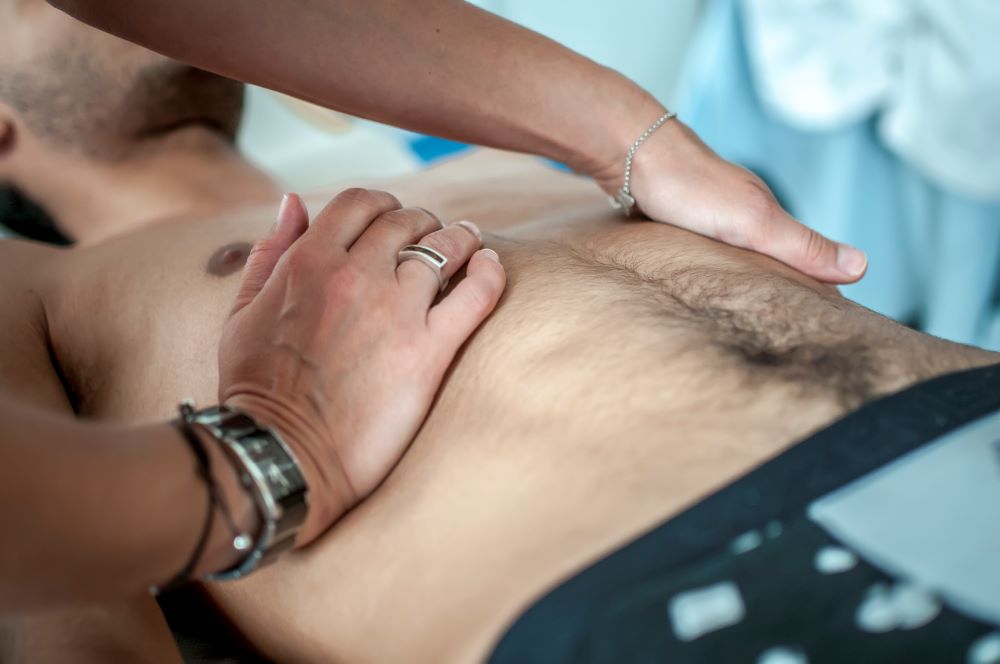
Nervous system reset through bodywork is both science and art. The science part is understanding where the vagus nerve runs, how it responds to different types of stimulation, and what techniques are most effective for different nervous system states.
The art part is reading each person’s unique nervous system and adapting the work accordingly. Some people need very gentle, slow stimulation because their system is hypersensitive. Others need more sustained pressure because they’ve become disconnected from sensation altogether.
During my Touch Ritual sessions, I often start by simply placing my hands on key vagal points and waiting. I’m listening with my hands, feeling for how this person’s nervous system is organizing itself. Are they holding their breath? Is their heart racing? Are they present in their body or dissociated?
Once I understand what their system needs, I can choose techniques accordingly:
- Gentle circular motions behind the ears to stimulate vagal branches
- Sustained, warm pressure at the base of the skull to activate the nerve root
- Soft massage along the neck muscles that house vagal pathways
- Guided humming or toning to create internal vibrations that stimulate the nerve
- Breathwork that naturally enhances vagal tone
The goal is never to force a response. Instead, I’m creating optimal conditions for your vagus nerve to remember its natural function.
Frequently Asked Questions About Vagus Nerve Therapy
What is vagus nerve therapy and how does it work?
Vagus nerve therapy uses specific touch techniques, breathing exercises, and body positioning to stimulate the vagus nerve and improve its function. The vagus nerve controls your body’s rest-and-digest response, so when it’s working well, you feel calmer, more grounded, and better able to handle stress. The therapy works by providing gentle, consistent stimulation to areas where the nerve is accessible, helping it remember how to regulate your nervous system properly.
Can massage really stimulate the vagus nerve?
Absolutely. The vagus nerve runs very close to the surface in several areas – particularly around the neck, behind the ears, and along the jawline. Vagus nerve massage uses specific techniques in these areas to directly influence nerve function. Unlike regular massage that focuses on muscles, this work specifically targets the nerve pathways to create nervous system changes.
What are the emotional benefits of vagus nerve stimulation?
Vagus nerve stimulation for emotional release can be profound. Many people experience decreased anxiety, better emotional regulation, improved mood stability, and a greater sense of feeling “at home” in their body. The vagus nerve directly influences your ability to feel calm and connected, so when it’s functioning well, emotional resilience naturally improves.
Is vagus nerve massage safe for trauma survivors?
When done by someone trained in trauma-informed massage, yes. In fact, trauma and vagus nerve healing work particularly well together because trauma often dysregulates the vagus nerve. The key is working slowly, maintaining clear communication, and always prioritizing the client’s sense of safety and control. At Touch by Trans, I specialize in creating the kind of safety that allows nervous systems to heal.
How does vagus nerve therapy help with anxiety or PTSD?
Anxiety and PTSD often involve a dysregulated vagus nerve that’s stuck in fight-or-flight mode. Benefits of vagus nerve massage for anxiety include helping the nerve learn to activate the body’s natural relaxation response. For PTSD, vagus nerve massage for PTSD and chronic stress can help the nervous system develop better tolerance for sensation and emotion without becoming overwhelmed.
What should I expect during a nervous system reset session?
During a nervous system reset session, we start slowly with assessment and consent. I’ll work with gentle pressure points and techniques while constantly checking in about your comfort level. You might feel warmth, tingling, deeper breathing, or waves of relaxation. Some people feel emotional releases as stored stress moves through their system. The session includes time for integration afterward.
Creating the Right Environment for Vagal Healing
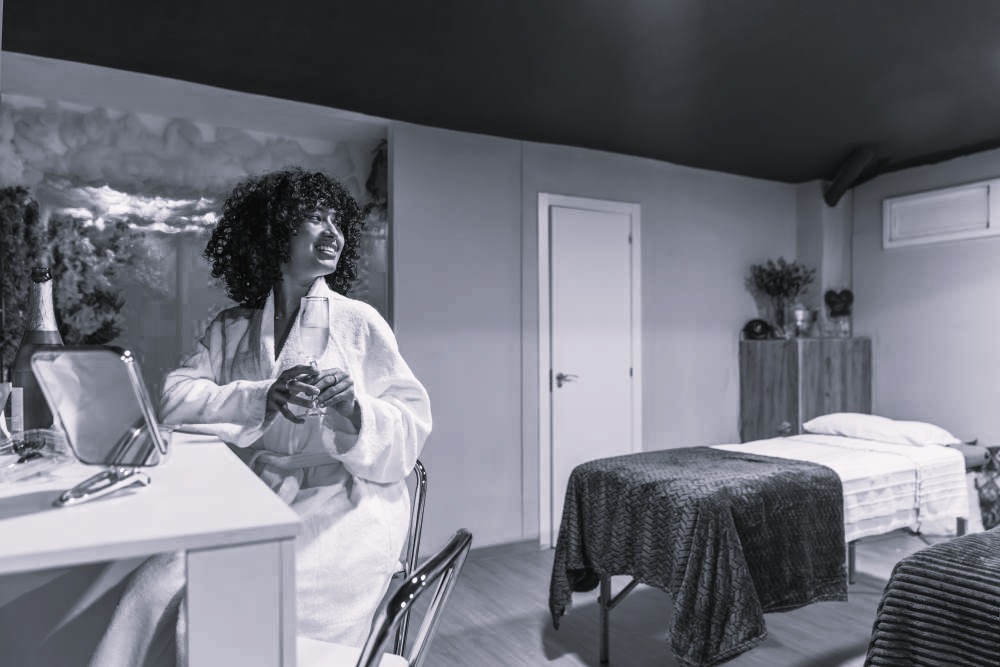
The environment for vagus nerve therapy matters enormously because your nervous system is constantly assessing safety. At Touch by Trans, everything about the space is designed to support vagal regulation from the moment you walk in.
The lighting is warm but not dim – your nervous system needs to see clearly to feel safe. The temperature is carefully controlled because being too cold activates stress responses. There are weighted blankets available because deep pressure naturally stimulates the vagus nerve. Even the music is chosen specifically for its effects on nervous system regulation.
I use body-safe oils that have been shown to support vagal function – lavender for its calming properties, frankincense for grounding, and sometimes peppermint for gentle stimulation. These aren’t just pleasant scents; they’re tools that work synergistically with the physical techniques to support your nervous system’s natural healing capacity.
The intake process is also designed with vagal health in mind. We talk about your nervous system patterns, what kinds of touch feel safe to you, and what your body needs on this particular day. This isn’t just information gathering – it’s helping your vagus nerve understand that you have choice and control in this process.
The Ripple Effects of a Regulated Nervous System

When your vagus nerve is functioning well, the effects ripple out into every area of your life in ways you might not expect. Clients often tell me about changes that surprise them – better relationships, improved work performance, creative breakthroughs, or simply feeling more like themselves again.
In relationships, a regulated nervous system means you can stay present during conflict instead of shutting down or exploding. You can receive love and affection without waiting for the other shoe to drop. You can set boundaries from a place of clarity rather than reactivity.
At work, you’re less likely to get overwhelmed by normal workplace stress. Decision-making becomes easier because you’re not operating from a place of chronic anxiety. You have more energy for creative thinking because your system isn’t using all its resources on threat detection.
In your body, you sleep better because your nervous system knows how to shift into rest mode. Digestion improves because the vagus nerve controls digestive function. Chronic pain often decreases because you’re not holding tension as a protective strategy.
Emotionally, you develop what researchers call “emotional granularity” – the ability to feel the full spectrum of emotions without being overwhelmed by them. You can be sad without being destroyed, angry without exploding, or happy without waiting for disaster to strike.
This is what vagal tone improvement looks like in real life – not perfect calm, but resilience. The ability to bend without breaking, to feel without drowning, to connect without losing yourself.
Your Journey to Nervous System Health

If you’re reading this and recognizing yourself in the descriptions of dysregulated nervous system patterns, please know that change is absolutely possible. Your vagus nerve has incredible plasticity – it can learn new patterns at any age, regardless of what you’ve been through.
The journey isn’t always linear. Some days your nervous system will feel strong and resilient. Other days, small stresses might knock you off balance. This isn’t failure – it’s the natural process of a nervous system learning new ways of being in the world.
Somatic therapy Darmstadt offers you the opportunity to work with practitioners who understand both the science and the art of nervous system healing. Whether you’re dealing with trauma, chronic stress, anxiety, or simply want to feel more grounded in your own body, vagus nerve therapy can be a powerful ally in your healing journey.
Ready to Reset Your Nervous System?

Your vagus nerve has been waiting patiently for the right conditions to remember how to do its job properly. When you’re ready to explore what it feels like to live from a place of nervous system regulation rather than constant vigilance, I’m here to support that journey.
At Touch by Trans, I offer several approaches to vagus nerve therapy:
The Soothe Room provides extra privacy and gentleness for nervous systems that need more time to feel safe.
The Touch Ritual combines vagus nerve massage with other somatic techniques for comprehensive nervous system support.
After Hours offers extended time and complete privacy for deeper nervous system work.
One of One Massage provides completely personalized care adapted to your unique nervous system needs.
You can learn more about my approach to trauma-informed bodywork or explore other aspects of emotional healing through touch on my blog.
If you’re curious about what nervous system reset might feel like for you, let’s start with a conversation about what your body needs right now.
Your nervous system knows how to heal – it just needs the right conditions and support to remember. Want to feel calm in your body again? Book a session with Ms. Kelly and discover what happens when your vagus nerve finally gets to do its job properly.
Ms. Kelly
I provide trauma-informed massage and vagus nerve therapy at Touch by Trans in Darmstadt. My practice specializes in helping your nervous system remember its natural capacity for calm, resilience, and emotional regulation through gentle, skilled touch.