
Trauma Bodywork in Darmstadt – Proven Healing, Safe Relief from Triggers

Last Tuesday, a client’s breathing pattern changed the moment I touched his shoulder blade. Not the deep, settling breath I was hoping for, the sharp, shallow panting that tells me his nervous system just hit the emergency button.
I’ve been practicing trauma bodywork for eight years now, and I still remember my own confusion early on when clients would have what seemed like opposite reactions to similar work. One person would melt into healing tears when I found a tight spot in their hip. Another would bolt upright, eyes wide, looking like he’d seen a ghost.
The difference between being triggered and being tender isn’t something they teach in massage school. But understanding it has become the foundation of everything I do as a trauma-informed bodywork practitioner.

What My Clients’ Bodies Have Taught Me
Trauma-informed bodywork isn’t just massage with extra feelings involved. After working with hundreds of people carrying old wounds, I’ve learned that bodies remember what minds try to forget and they remember it in their fascia, their breathing patterns, the way someone flinches before I’ve even made contact.
That client who can’t lie face down because it feels too vulnerable? His body is protecting him from something. The person whose left shoulder stays rigid no matter how much I work on it? That shoulder might be carrying the weight of responsibilities he took on too young.
Somatic therapy recognizes these body memories as valuable information rather than obstacles to overcome. When I notice someone’s breathing shift or their muscles suddenly tighten, I don’t push through, I listen.
Somatic experiencing taught me that trauma can get lodged in our nervous system like a song stuck on repeat. The same defensive response playing over and over, even when the original danger ended years ago.
When I Learned to Read Nervous Systems
Dr. Bessel van der Kolk’s research opened my eyes to something I’d been seeing on my massage table for years: trauma stored in the body shows up in measurable ways. Changes in heart rate, breathing patterns, muscle tension. Your vagus nerve, that major highway between your brain and your organs can get stuck broadcasting danger signals even during the most gentle touch.
I started paying closer attention to these signals after a particularly intense session. The moment I began working near a client’s ribs, his entire system shifted into high alert. His breathing became erratic, his skin got clammy, and he kept apologizing for “being dramatic.”
He wasn’t being dramatic. His body was trying to protect him from something that felt familiar but wasn’t actually happening anymore.
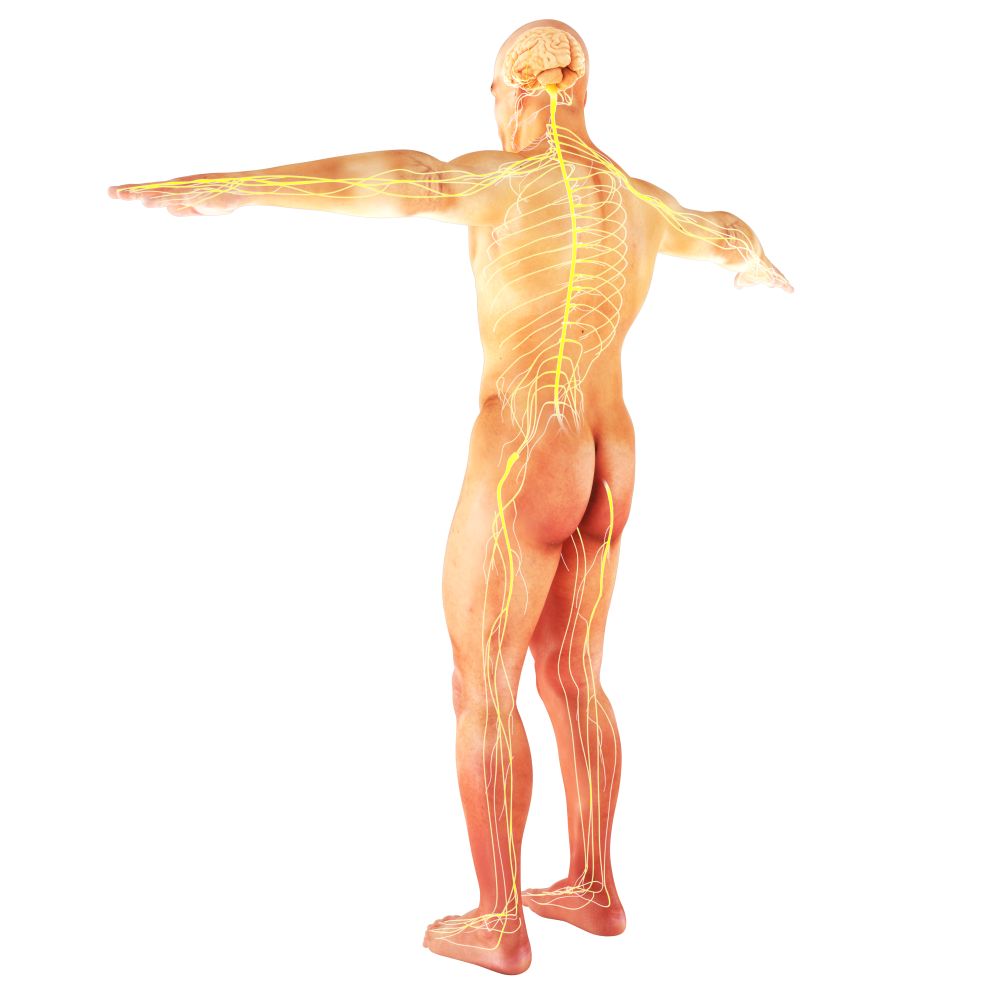
When Bodies Sound the Alarm: Recognizing Triggering
That client’s reaction taught me what triggering actually looks like on the massage table. It’s not just someone feeling emotional, it’s his nervous system essentially declaring a state of emergency.
I’ve learned to watch for the telltale signs: heart rate that jumps from 70 to 120 beats per minute in seconds, breathing that becomes shallow and rapid, that particular look in someone’s eyes like they’re not quite present anymore.
Signs I watch for when someone’s getting triggered:
- Sudden change in breathing pattern (usually faster, shallower)
- Muscle tension that appears out of nowhere
- Skin that becomes clammy or flushed
- Eyes that look distant or unfocused
- Feeling like they need to leave immediately
- Apologizing repeatedly for their reaction
When this client’s breathing shifted that day, I immediately stopped what I was doing. “Let’s pause for a moment,” I said. “Your body just told us something important.”
That’s become my standard response. Not pushing through, not telling someone to “just breathe” recognizing that his nervous system regulation has shifted into protective mode for reasons that make sense, even if I don’t know what they are.
When Bodies Feel Safe Enough to Heal: Understanding Tenderness
Three months later, the same client came back. This time, when I worked near the same area, something completely different happened. Tears started flowing not the panicked kind from before, but deeper, almost grateful tears.
“I don’t know why I’m crying,” he whispered.
“Your body does,” I said. And it did.
Tenderness in trauma work feels entirely different from triggering. It’s like watching someone’s system finally feel safe enough to let down its guard. The breathing deepens instead of becoming erratic. There’s emotional release, but it feels cleansing rather than overwhelming.
What I notice when someone moves into tender territory:
- Breathing naturally deepens
- Muscles soften rather than tighten
- Tears that feel relieving rather than panicked
- They stay present and connected
- A sense of “finally” rather than “emergency”
- They feel more embodied, not less
The key difference I’ve observed? When someone’s tender, part of them feels safe enough to be vulnerable. When he’s triggered, every part of him is focused on survival.

Why My Training Had to Go Beyond Massage School
Standard massage education doesn’t prepare you for the moment when someone’s nervous system goes into overdrive on your table. I had to seek out additional training in trauma-informed care because I kept encountering situations I wasn’t equipped to handle.
I learned that having good intentions isn’t enough. Understanding anatomy is important, but understanding how trauma affects the nervous system is crucial when working with people carrying old wounds.
What trauma-informed training taught me:
- How to recognize signs of nervous system activation
- When to slow down, pause, or stop completely
- How to help someone ground themselves when they become triggered
- The difference between healing responses and retraumatization
- Why consent needs to be ongoing, not just a one-time conversation
The most important lesson? Sometimes the most therapeutic thing I can do is stop touching someone and help them find their feet again, literally.

My Experience with Trauma Release Exercises
I started incorporating TRE (Trauma Release Exercises) into my practice after attending a workshop. The premise made sense: animals shake off stress after escaping danger, humans have learned to suppress this natural response.
But I quickly learned that even “gentle” approaches can be activating if someone’s system isn’t ready. I’ve had clients who shook for five minutes and felt incredible afterward. I’ve also had clients who became so activated during TRE that we had to stop immediately and spend the rest of the session helping them feel safe again.
The lesson? There’s no one-size-fits-all approach to trauma healing. What works beautifully for one person might be overwhelming for another.
Teaching Self-Compassion on the Massage Table
One thing I’ve noticed working with trauma survivors: they often apologize for their body’s responses. “I’m sorry I’m so tense.” “Sorry for crying.” “Sorry for being weird.”
I’ve started addressing this directly. “Your body isn’t doing anything wrong,” I tell them. “It’s trying to protect you. We’re going to work with it, not against it.”
Self-compassion in trauma healing means recognizing that your nervous system’s responses made sense in their original context. Those trauma triggers aren’t character flaws, they’re information about what your system needs to feel safe.
I encourage clients to get curious about their responses instead of frustrated with them. “What is your body trying to tell you right now?” usually yields more insight than “Why can’t I just relax?”
Simple Breathwork for Trauma Techniques I Teach
When someone becomes triggered during a session, their breath is usually the first thing that changes. I’ve learned simple techniques to help them reconnect with their nervous system regulation.
What I guide clients through when they’re activated:
- First, I ask them to notice their breathing without changing it
- Then we work together to extend the exhale longer than the inhale
- One hand on chest, one on belly, breathing into the bottom hand
- We continue until they tell me they feel more present
This isn’t about breathing away trauma. It’s about giving their nervous system a way to downshift from high alert when it’s safe to do so.

Red Flags I’ve Learned to Avoid (And Green Flags to Embrace)
Early in my practice, I made mistakes. I pushed through when clients asked me to slow down, thinking I was helping them “break through resistance.” I confused emotional release with retraumatization.
Warning signs I now recognize in other practitioners:
- Pushing through when someone says stop
- Using language like “you’re holding onto trauma” (victim-blaming)
- Promising to “release” trauma in a single session
- Getting uncomfortable with emotional responses
- Lack of actual trauma training beyond basic massage certification
What competent trauma-informed practice looks like:
- Asking about trauma history before the first touch
- Explaining what I’m going to do and waiting for permission
- Checking in regularly throughout sessions
- Being comfortable with emotional responses while recognizing when to intervene
- Having specific training in trauma approaches, not just good intentions
Working with Complex Trauma: What I’ve Learned
Complex trauma, especially childhood trauma requires a completely different approach.
These clients often have nervous systems that learned early on that the world isn’t safe, that people who touch them might hurt them.
With complex trauma survivors, I’ve learned that:
- Trust has to be earned millimeter by millimeter
- Sometimes the most healing session is one where we barely do any bodywork
- Learning to say “no” or “stop” can be more therapeutic than any technique
- Progress might be invisible for months before suddenly becoming apparent
I have clients I’ve been working with for two years who are just now able to lie face down on the table.
That’s not slow progress, that’s their nervous system finally learning it might be safe to be vulnerable.
How PTSD Treatment Connects to Bodywork
Many of my clients are also working with therapists who specialize in PTSD treatment, EMDR, cognitive behavioral therapy, exposure therapy. I’ve learned that body-based approaches like somatic experiencing and trauma-informed bodywork complement these therapies beautifully.
Talk therapy helps people understand their trauma cognitively. Bodywork helps them feel safe in their own skin again. Both are usually necessary for complete healing.
Creating Your Healing Journey: Services That Honor Your Nervous System
Whether someone is exploring The Touch Ritual or considering One of One sessions, I always emphasize that their healing journey belongs entirely to them. What feels safe varies dramatically from person to person.
Some clients need months of building trust before any significant bodywork can happen. Others are ready to dive deeper from the first session. Both timelines are completely valid.
My role isn’t to push someone toward healing, it’s to create conditions where healing can happen naturally, at their pace, in their way.
What Eight Years of This Work Has Taught Me
The difference between triggering and tenderness isn’t just academic knowledge, it’s the foundation of ethical trauma work. Triggering means someone’s nervous system is in distress and needs support to regulate. Tenderness means they’re finally safe enough to let their guard down and heal.
Learning to distinguish between these states has transformed my practice. Instead of seeing emotional responses as obstacles to work through, I see them as valuable information about what someone’s system needs.
Your body has been protecting you with the information it had available. Trauma-informed bodywork honors that protective wisdom while creating space for new possibilities, the possibility that touch can be healing instead of threatening, that your body can become a place of safety instead of a battlefield.
The goal isn’t to never have big responses during bodywork. It’s to recognize what those responses mean and meet them with compassion instead of judgment.
Ready to experience bodywork that understands the difference between triggering and tender? Explore The Soothe Room and discover approaches designed with your nervous system’s wisdom in mind.