
How Trauma-Aware Therapy Helps You Heal – Gentle, Proven Relief
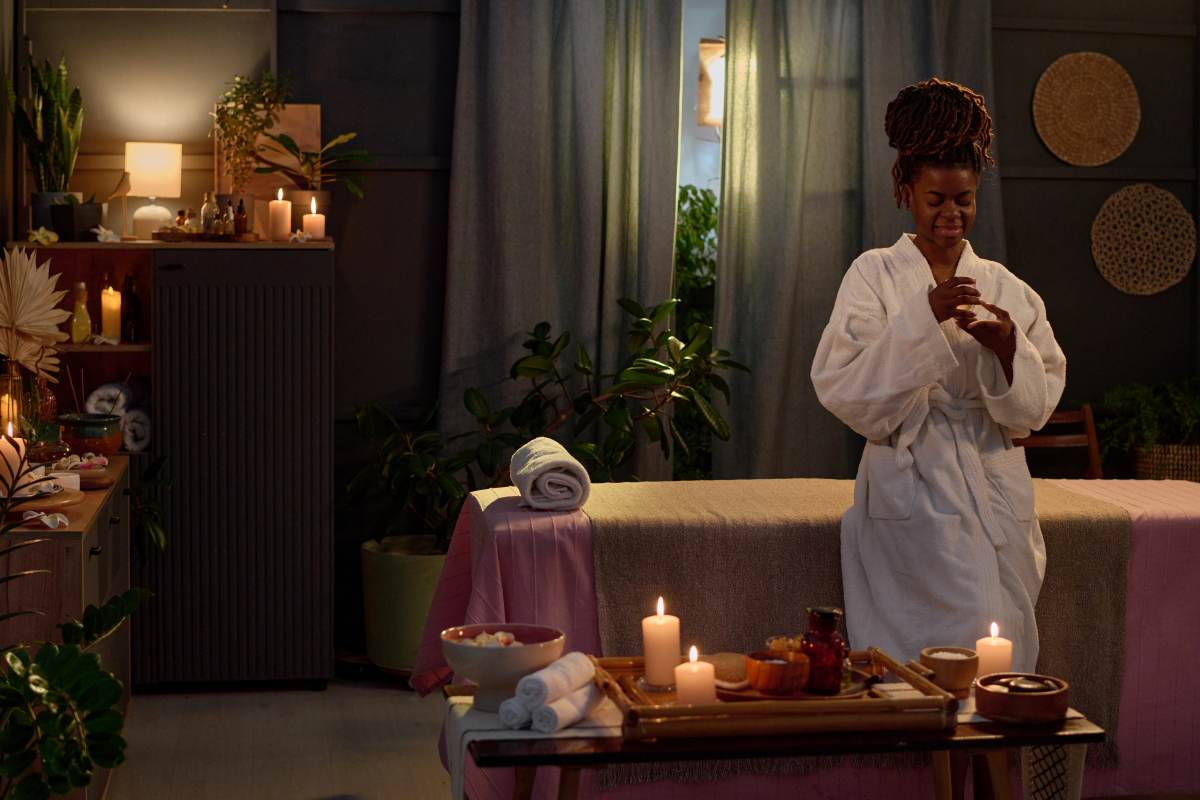
I watch as clients approach my door for the first time. There’s often a particular quality to their movement – determined yet hesitant, carrying months or sometimes years of “maybe I should try this” thoughts.
As a massage therapist who specializes in trauma-aware sessions, I’ve learned to recognize that mix of hope and apprehension. It’s completely understandable. Trauma-informed therapy isn’t what most people expect when they think of traditional massage or bodywork.
My approach appears to be something different – something that acknowledges the stories our bodies carry without immediately demanding we expose them all.
Creating the Space: What Happens When You Walk In
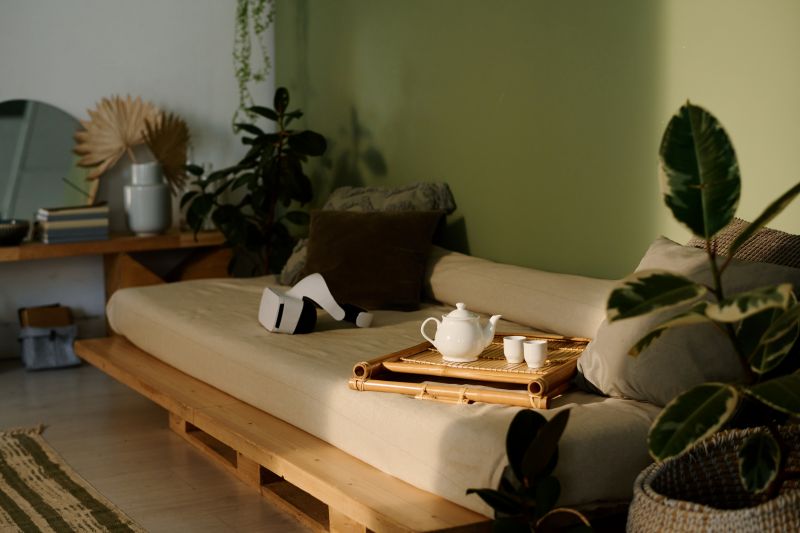
The moment clients step into my space, I want them to notice something immediately different. Not sterile. Not intimidating. More like walking into a thoughtfully designed sanctuary – warm lighting, soft textures, an unmistakable sense of safety.
I greet each person with what I call empowered presence. Not overwhelming, not overly enthusiastic. Just genuinely there.
“How are you feeling about being here today?” I ask, and this isn’t small talk. It’s the beginning of something much more intentional.
Safety-First: The Foundation of Everything I Do
What makes a trauma-informed session fundamentally different from traditional massage is this: everything revolves around safety and trust. I explain to clients that we’re not diving headfirst into painful memories or pushing through emotional walls. Instead, we’re creating what I call a “safe therapeutic environment” where they can explore at their own pace.
“We’re not here to re-traumatize,” I tell them as I settle into our initial conversation. “We’re here to help you reclaim your relationship with your body.”
Avoiding retraumatization has become the cornerstone of my practice. Every session begins with a check-in about their emotional state, their capacity for the day, what feels manageable. Many clients tell me it’s the first time they’ve felt genuine voice and choice in any therapeutic process.
Though I’ll admit, some clients find this level of control unfamiliar at first. They may expect massage to be more… directive.
Inside the Session: Techniques That Actually Support Healing

When Bodies Feel Disconnected
About fifteen minutes into a first session, clients often mention feeling “kind of disconnected” or “like I’m not really in my body.” This is where I introduce grounding techniques in trauma therapy.
“Feel your feet on the floor,” I guide gently. “Notice the weight of your body against the table. Can you name three sensations you’re experiencing right now?”
These aren’t just random exercises – they’re trauma intervention strategies designed to help clients reconnect with their present-moment experience. The beauty of grounding is its simplicity, yet its impact can be profound. It becomes an anchor throughout our work together.
Understanding Somatic Experiencing in Practice
One of the most important aspects of my sessions is the integration of somatic experiencing. I explain to clients that trauma doesn’t just live in our thoughts – it lives in our bodies, in our nervous systems, in the way we hold tension or the rhythm of our breathing.
During sessions, I might notice a client’s shoulders suddenly tensing as we work on a particular area. Instead of pushing through, I pause.
“What’s happening in your shoulders right now?” I ask.
This attention to somatic therapy trauma session elements opens up entirely new pathways for healing. We work with relaxation techniques for trauma that don’t feel forced or artificial – they feel like natural extensions of body awareness.
Though honestly, some clients find the body-based awareness challenging initially. Many of us aren’t used to paying such close attention to physical sensations.
Making the Complex Simple: Psychoeducation in Trauma Sessions
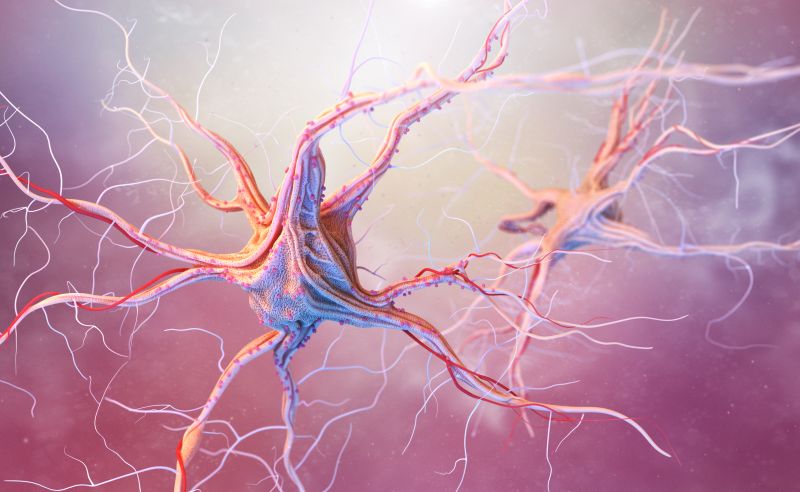
I’ve developed a way of explaining complex physiological concepts that feels accessible rather than overwhelming. I never want clients to feel talked down to or confused by jargon. Instead, I offer what’s called psychoeducation – helping people understand what’s happening in their bodies when trauma responses are activated.
“Your nervous system isn’t broken,” I explain during sessions. “It’s actually working exactly as it was designed to – protecting you from perceived threats. What we’re doing is helping it learn to recognize when you’re actually safe.”
This understanding can transform how clients relate to their own responses. Suddenly, those moments of anxiety or muscle tension aren’t personal failings. They’re understandable reactions that we can work with, not against.
Not that this knowledge makes the responses any less frustrating for clients in the moment, of course.
Collaboration and Mutuality: A Partnership Approach
What I’ve learned over years of practice is that genuine collaboration and mutuality must infuse every aspect of our work together. This isn’t the traditional therapist-as-expert dynamic. It feels more like a partnership where clients’ insights and experiences are valued as much as my professional training.
“You’re the expert on your own body,” I often remind clients. “I’m here to provide tools and create the space for your own healing wisdom to emerge.”
This approach aligns with trauma-informed care principles, where client empowerment isn’t just a concept – it’s a lived reality woven into every interaction.
Though I’ll be honest, some clients initially want me to just tell them what’s wrong and fix it. Being recognized as the expert on their own experience can feel overwhelming at first.
Beyond Traditional Massage: Creative Expressive Therapy

Not every session focuses solely on traditional massage techniques. I incorporate creative expressive therapy elements that allow clients to process experiences that may feel too big or complex for words alone.
Sometimes we work with breathwork and gentle movement. Other times, we explore mindfulness for trauma practices that incorporate different textures or aromatherapy. The diversity of approaches means there’s always a way to engage with the healing process, even when traditional bodywork feels overwhelming.
I remember working with one client who spent the first twenty minutes of our session just feeling different textures while we talked. It kept their nervous system regulated while we addressed difficult body memories.
The Reality of Trauma Recovery Process: No Linear Progress
One of the most important things I help clients understand is that trauma recovery isn’t linear. There’s no timeline, no checklist to complete, no final session where they’re declared “healed.”
“Healing happens in spirals,” I explain. “Sometimes you’ll revisit familiar sensations or memories, but you’ll be approaching them from a different level of understanding and body awareness.”
This perspective can be liberating for clients. Difficult sessions aren’t setbacks – they’re natural parts of the trauma healing journey. People can learn to be patient with themselves in ways they’ve never experienced before.
Easier said than internalized, of course.
Honoring Individual Differences
My approach also incorporates cultural, historical, and gender considerations in ways that feel organic rather than forced. I understand that each person’s experience – their cultural background, gender identity, and personal history – creates unique patterns of both holding and resilience in the body.
This isn’t about checking boxes. It’s about truly seeing and honoring all aspects of who someone is and how those aspects inform their relationship with their body and healing process.
Practical Information: What to Expect in Trauma-Aware Sessions
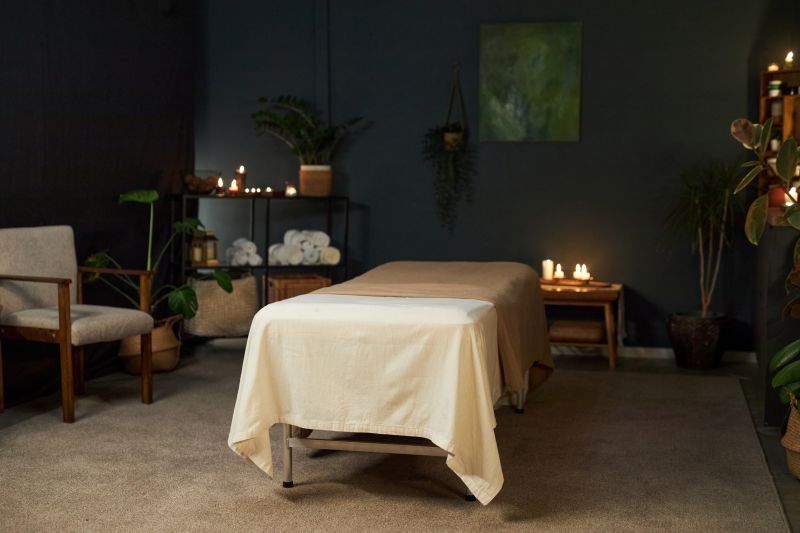
For anyone considering trauma-informed therapy with me, here’s what you can realistically expect:
Session Structure: Each session typically lasts 60-90 minutes. We begin with a check-in about your current emotional and physical state. I always ensure you feel grounded and consented before any hands-on work begins.
Pacing: Unlike traditional massage that might follow a set routine, trauma-aware sessions prioritize your comfort and safety over completing specific techniques. Progress is measured in small, sustainable shifts.
Which can feel slower than some people initially expect.
Boundaries and Consent: Everything we do is with your explicit consent. You remain fully in control of what areas we work with, what techniques we use, and how deep the pressure goes.
Integration: Sessions might incorporate traditional massage, grounding techniques, gentle movement, or simply creating space for whatever your body needs that day.
The Ripple Effects: How Trauma-Informed Care Changes Everything
Insert image of hands in a gentle, healing position, symbolizing the caring touch of trauma-informed bodywork here
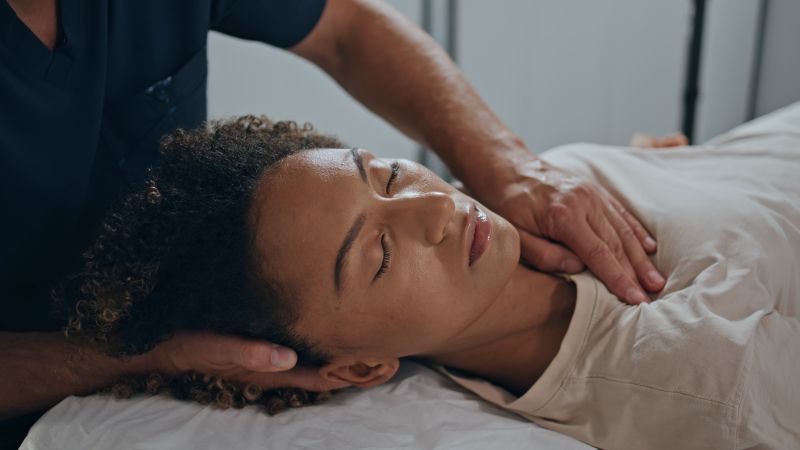
What continues to amaze me about this work isn’t just how trauma-aware sessions help people process stored experiences. It’s how the principles of trauma-informed care begin influencing every area of their lives.
Clients start noticing when they feel safe versus when they feel triggered in their bodies. They develop a toolkit of grounding techniques they can use anywhere – before difficult conversations, during stressful meetings, even while navigating crowded spaces. The empowerment, voice, and choice they experience in our sessions begins showing up in their relationships and daily decisions.
Gradually. Very gradually, in most cases.
Making Healing Part of Everyday Life
I don’t want our work to stay contained within my treatment room. I help clients develop individualized trauma therapy plans that include body awareness practices and self-care techniques they can integrate into their regular lives.
“The real healing happens between sessions,” I remind them. “My job is to give you tools and body awareness you can access when I’m not around.”
Though let’s be realistic – remembering to use those tools in challenging moments is often a work in progress for everyone.
Long-Term Trauma Healing Outcomes: What I’ve Observed
After years of providing trauma-informed therapy, I can say that this approach doesn’t just help people process difficult body memories. It appears to give them a completely different relationship with themselves and their capacity for self-regulation.
Healing, I’ve learned, isn’t about returning clients to some previous version of themselves. It’s about helping them integrate all of their experiences – the difficult and the resilient – into a more complete and compassionate relationship with their bodies.
My trauma-aware session approach creates space for this integration to happen naturally, without force or pressure. The result is often a sense of embodied wholeness that many clients didn’t even know was possible.
Though some days they still feel like they’re figuring it all out. Which, I always tell them, is completely normal.
Ready to Explore Trauma-Aware Bodywork?
If you’re considering trauma-informed massage therapy, know that even researching this approach is already an act of courage and self-care.
My approach to trauma-aware sessions offers a path forward that honors your pace, respects your boundaries, and believes in your body’s inherent capacity for healing. Whether you’re dealing with recent traumatic experiences or patterns that have been stored in your body for years, trauma-informed care may provide the support and tools you need.
The journey isn’t always comfortable. But with the right support and approach, healing appears to be absolutely possible. Your body’s wisdom matters. Your healing pace matters. And perhaps most importantly – you deserve to feel safe and at home in your own skin.
Even if that feels like an impossible concept right now.
Ready to explore what trauma-informed bodywork could offer you? I invite you to reach out and learn more about my approach. Let’s discuss whether this might be the right fit for your unique healing journey.
Looking for additional wellness and healing services? Explore my comprehensive offerings including The Soothe Room for deep relaxation experiences, The Touch Ritual for integrated healing sessions, and One of One Massage for completely personalized therapeutic bodywork.