
Proven Nervous System Regulation Massage – Safe Relief for Your Body

ou know that moment when you’re getting a nervous system regulation massage and suddenly your shoulders drop about three inches? Like, literally drop—as if someone just cut invisible puppet strings you didn’t even know were there.
Your jaw unclenches. That weird buzzing anxiety that’s been your constant companion for months? It finally shuts up.
This might sound dramatic, but I think we’re onto something bigger here than just “relaxation.” Nervous system regulation massage appears to tap into something pretty fundamental, our body’s ability to remember what safety actually feels like.
After years of watching people’s faces change during therapeutic touch sessions, I’m convinced we’ve been thinking about massage all wrong. Sure, it feels good. But what’s really happening may be a complete rewiring of our most basic survival responses.
Your Body’s Internal Security System (And Why It’s Probably Overworked)
Think of your autonomic nervous system as that friend who’s really, really good at their job, maybe too good. It’s constantly scanning for threats, filing reports, staying alert. The sympathetic nervous system is like having your internal fire alarm stuck in the “on” position. Heart racing? Check. Sweaty palms during a work meeting? Check. That jittery feeling that makes binge-watching Netflix feel impossible? Double check.
Meanwhile, your parasympathetic nervous system is supposed to be the chill friend who says, “Hey, maybe we can actually relax now.” This is where the relaxation response lives, where your body repairs tissue, digests food properly, and you remember what it’s like to feel human instead of a walking stress ball.
But here’s where it gets interesting. Touch, the right kind of touch seems to be one of the most direct routes between these two states.
How Nervous System Regulation Massage Creates a Cellular Conversation
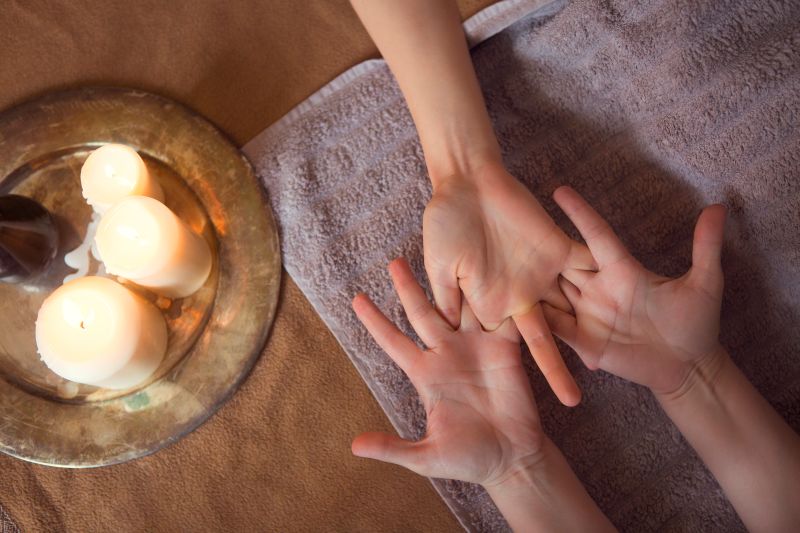
When skilled hands contact your skin, millions of tiny sensors wake up. Mechanoreceptors scattered throughout your tissues start firing messages faster than your group chat after someone drops gossip. These specialized nerve endings with names like Pacinian corpuscles that sound like they belong in a Harry Potter book, essentially tell your brain: “This touch is safe. This touch might actually help.”
The vagus nerve plays a starring role here. According to Cleveland Clinic, this wandering pathway connects your brain to pretty much every major organ
, and vagus nerve stimulation through massage appears to send a very clear message: time to downshift. Research suggests this can improve heart rate variability, which is basically how flexible your nervous system is when switching between stress and calm.
I like to think of it as retuning a guitar that’s been wound way too tight. Each session might help those strings find their natural tension again.
Of course, this is where things get a bit more complex than the typical spa marketing would have you believe.
Why “Just Relax” Doesn’t Always Work
Dr. Stephen Porges’ polyvagal theory turned our understanding of stress responses upside down.
Turns out, it’s not just fight-or-flight. Your nervous system actually has three gears:
Social Engagement – You feel safe enough to connect, laugh at bad jokes, actually digest your lunch
Fight-or-Flight – Classic stress mode where everything feels urgent and slightly terrifying
Freeze/Shutdown – When your system basically says “nope” and goes offline
Here’s what’s tricky: you can’t just think your way from gear three back to gear one. Trauma-informed massage seems to work with these different states, potentially helping your nervous system practice moving between them more smoothly.
But and this is important it’s not a magic fix. Some people need months or even years of consistent work to feel safe with touch at all.
The Body Remembers What the Mind Forgets
I’ve worked with clients who couldn’t tolerate even the lightest touch initially. Their bodies held memories that therapy alone couldn’t reach. Somatic massage therapy acknowledges something pretty profound: your tissues store information about every interaction you’ve ever had.
Interoception, your ability to sense what’s happening inside your body can be completely disrupted by trauma or chronic stress. Some people literally cannot feel hunger, fullness, or even their own heartbeat. Safe touch in therapeutic settings may offer a way back to this internal awareness.
The safety signals that quality massage provides appear to work below the level of conscious thought. Instead of your nervous system bracing for the next impact, it gets to practice receiving. Softening. Maybe even trusting, just a little.
Though I should mention this process looks different for everyone. What feels safe and grounding for one person might feel overwhelming or triggering for another.
The Chemistry Lab in Your Body
Let’s talk about what’s actually happening biochemically during massage therapy for stress. Cortisol reduction can happen relatively quickly, sometimes within a single session, though the effect may not last without consistent treatment. Endorphin release creates that natural high, though some researchers debate how significant this effect really is compared to other mechanisms. Research from the National Library of Medicine shows that massage therapy can significantly reduce cortisol levels, sometimes within a single session.
Your limbic system, the brain’s emotional headquarters, appears to respond to therapeutic touch in measurable ways. Brain imaging studies suggest that positive touch experiences can literally rewire patterns associated with safety and threat detection.
Each session might be like making a small deposit in your nervous system’s resilience account. Though honestly, some days it probably feels more like you’re trying to fill a bucket with a hole in the bottom.
Why Nervous System Regulation Massage Isn’t One-Size-Fits-All
Nervous system healing through massage isn’t a one-technique-fits-all situation. Craniosacral therapy works with incredibly subtle rhythms so gentle that skeptics sometimes wonder if anything’s actually happening. Swedish massage with its flowing strokes may activate C-tactile fibers, specialized pathways that seem designed specifically for nurturing touch.
Somatic experiencing bodywork goes beyond traditional techniques, paying attention to how your body wants to move or discharge energy naturally. Sensory regulation massage calibrates pressure and pace based on your nervous system’s real-time feedback.
The challenge? Figuring out what your particular nervous system responds to. Some people need deep pressure to feel grounded, like they’re being held together. Others require feather-light contact to feel safe enough to let their guard down.

Making It Work in Real Life (The Messy Part)
Mind-body therapy principles suggest starting small and building tolerance gradually. If you’re dealing with trauma or chronic stress, this might mean choosing a practitioner who won’t be offended if you need to keep your clothes on, or stop mid-session, or talk through the entire treatment.
Embodied safety begins with having actual choices. A skilled therapist will check in frequently, adjust pressure without making it weird, and honor whatever your body signals. The goal isn’t pushing through discomfort, it’s expanding your capacity for comfort, inch by inch.
For anxiety relief massage, consistency may matter more than intensity. Weekly sessions might help maintain balance instead of just providing temporary relief. Though let’s be real, not everyone has the time or budget for weekly massages, and that’s okay too.
When the Effects Ripple Outward
Something I find fascinating about nervous system regulation: the benefits often show up in unexpected places. Clients mention sleeping better, crying less during commercials, actually enjoying conversations instead of enduring them. When your autonomic nervous system learns new patterns, it doesn’t compartmentalize.
Trauma recovery touch might help break those exhausting cycles of hypervigilance and emotional numbness. Chronic pain relief massage sometimes works not just on physical symptoms but on the nervous system patterns that keep pain cycles spinning.
I’ve watched people rediscover their capacity for spontaneous laughter, creative projects they’d abandoned, relationships they’d written off. Though I should add, this kind of change usually happens slowly, and not everyone experiences such dramatic shifts.
Building Your Own Safety Map
Somatic safety through massage isn’t standardized. Your nervous system has its own history, its own quirks, its own timeline for trusting. Working with practitioners who understand trauma-informed massage means honoring this individuality instead of pushing through it.
Maybe The Soothe Room appeals to your need for a contained, nurturing environment. Perhaps The Touch Ritual offers the ceremonial aspect your system craves, some people need that sense of intentionality. Or One of One Massage provides the completely personalized approach that feels less overwhelming.
The point is experimenting without judgment. Noticing what helps your system settle. Trusting that your body knows things your mind hasn’t figured out yet.
What People Actually Want to Know
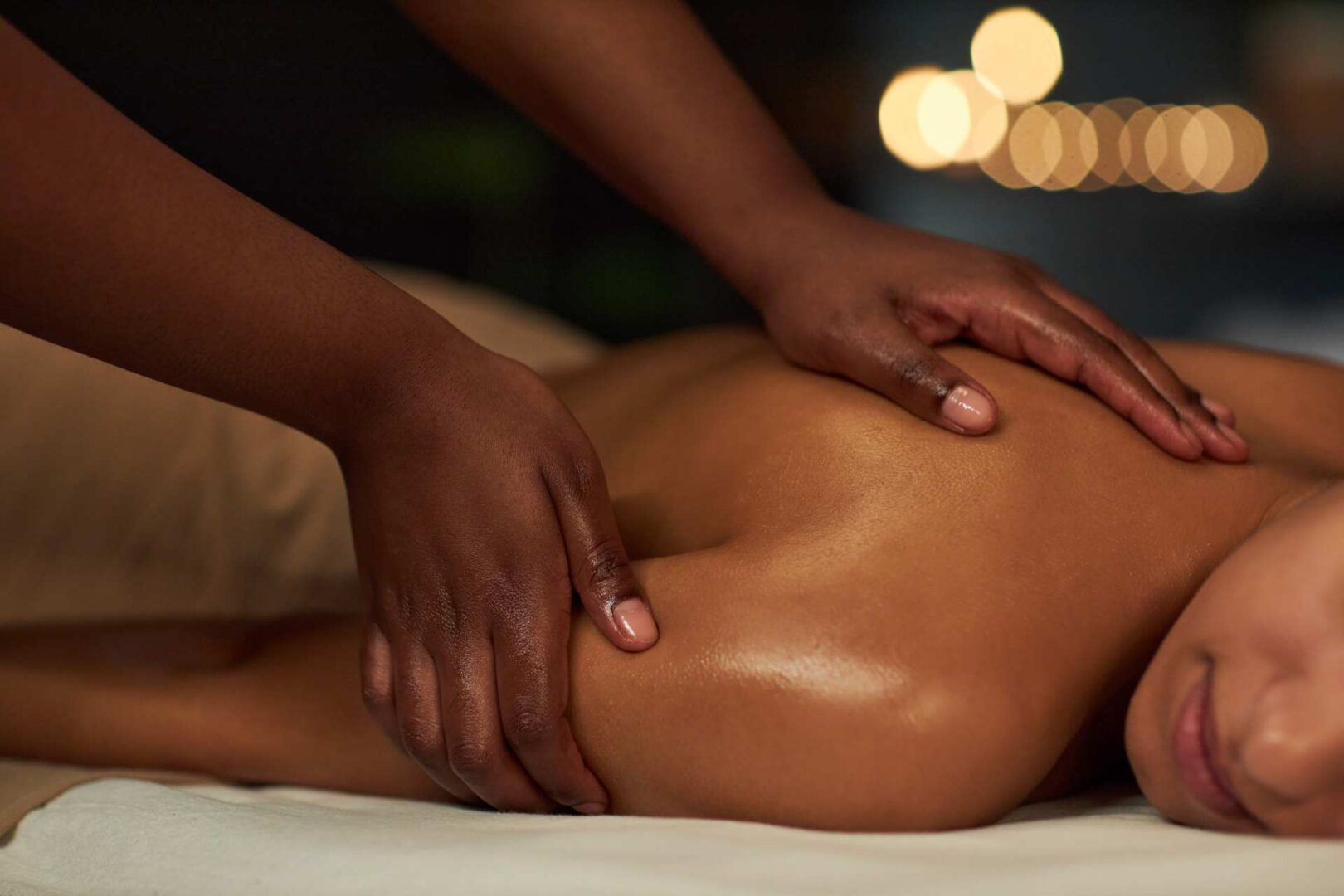
How does massage regulate the nervous system? Massage activates pressure receptors under your skin, which send signals that compete with stress pathways to your brain. The vagus nerve gets stimulated, potentially shifting you from that constant alert state into something more like actual rest.
What’s the connection between touch therapy and nervous system health? Touch is probably our first language, before words, before complex thought. Therapeutic touch may help retrain nervous system patterns that got stuck in survival mode, offering corrective experiences of safety through direct sensory input.
Can massage therapy help with trauma recovery? It can be part of the picture. Trauma often gets stored as physical patterns, muscle tension, breathing restrictions, hypervigilance. Trauma release massage might help discharge some of these frozen responses while providing new experiences of nurturing touch. Though it’s rarely a standalone solution.
How often should I get massage for nervous system benefits? This varies wildly. Some people benefit from weekly sessions initially, then monthly maintenance. Others need months of gentle work before they can tolerate regular touch. The key is listening to your body rather than following someone else’s protocol.
The Honest Truth About Healing
Learning to feel safe in your own skin shouldn’t be a luxury, but let’s be real, for many of us, it feels like starting from scratch as adults. Nervous system regulation massage offers one pathway back to ease and connection, though it’s rarely a straight line.
Your body has innate healing wisdom. Sometimes it just needs the right conditions, the right touch, the right invitation to remember what balance feels like. But healing isn’t Instagram-worthy. Some sessions bring profound shifts. Others offer subtle recalibration. Many just help you get through the week a little easier.
If you’re considering this work, maybe start with a consultation. Whether After Hours sessions appeal to you for their unconventional timing, or you’re drawn to something else entirely, the important thing is taking that first step.
Your nervous system has been working overtime to keep you safe. Perhaps it’s ready for some support in learning how to rest, heal, and maybe even thrive.
Curious about experiencing nervous system regulation massage yourself? Consider booking a consultation to explore how therapeutic touch might support your unique healing journey.