
When Your Body Remembers What Your Mind Tries to Forget

Ever walk into a room and suddenly feel anxious for no reason? Or maybe your jaw clenches every time you hear raised voices, even on TV?
Your body remembers trauma in ways that might surprise you, ways your conscious mind has long forgotten or pushed aside. I’ve watched clients discover connections between their chronic shoulder pain and that car accident from fifteen years ago, or realize their digestive issues started right around the time of their messy divorce.
Trauma lives in the body. Not just as a metaphor, but literally in your tissues, your nervous system responses, your muscle memory. What’s fascinating and honestly, a bit unsettling is how our bodies can hold onto experiences our minds have seemingly moved past.
The Body’s Secret Filing System
Here’s where it gets weird. Your tissues appear to function like some kind of biological hard drive, storing information in ways we’re only beginning to understand.
While your brain handles the memories you can consciously access, like remembering your first day of school or what you had for breakfast, your body manages a completely different filing system.
Implicit memory trauma doesn’t announce itself with clear narrative. Instead, it whispers through tight shoulders, speaks through stomach knots, shouts through panic attacks that seem to come from nowhere.
Think of somatic memories like background apps on your phone. You may not realize they’re running, but they’re definitely affecting performance.
How Trauma Actually Gets Lodged in Your Body
When something traumatic happens, your nervous system basically hits the panic button. Faster than you can think “what’s happening,” your body floods with stress hormones. Your muscles contract. Heart pounds. Breathing gets shallow.
This response likely evolved to keep us alive, and it works beautifully for short-term threats. See a bear? Run. Dodge a falling branch? Duck. But modern trauma is trickier. Emotional abuse, medical procedures, car accidents, sudden loss—these experiences can overwhelm your parasympathetic nervous system (your body’s “chill out” mode) in ways that don’t resolve neatly.
What seems to happen next is where things get complicated. If that activated energy doesn’t get processed and released, your body may essentially get stuck in a low-level alarm state. Like a smoke detector with a dying battery—it keeps beeping long after any actual danger has passed.
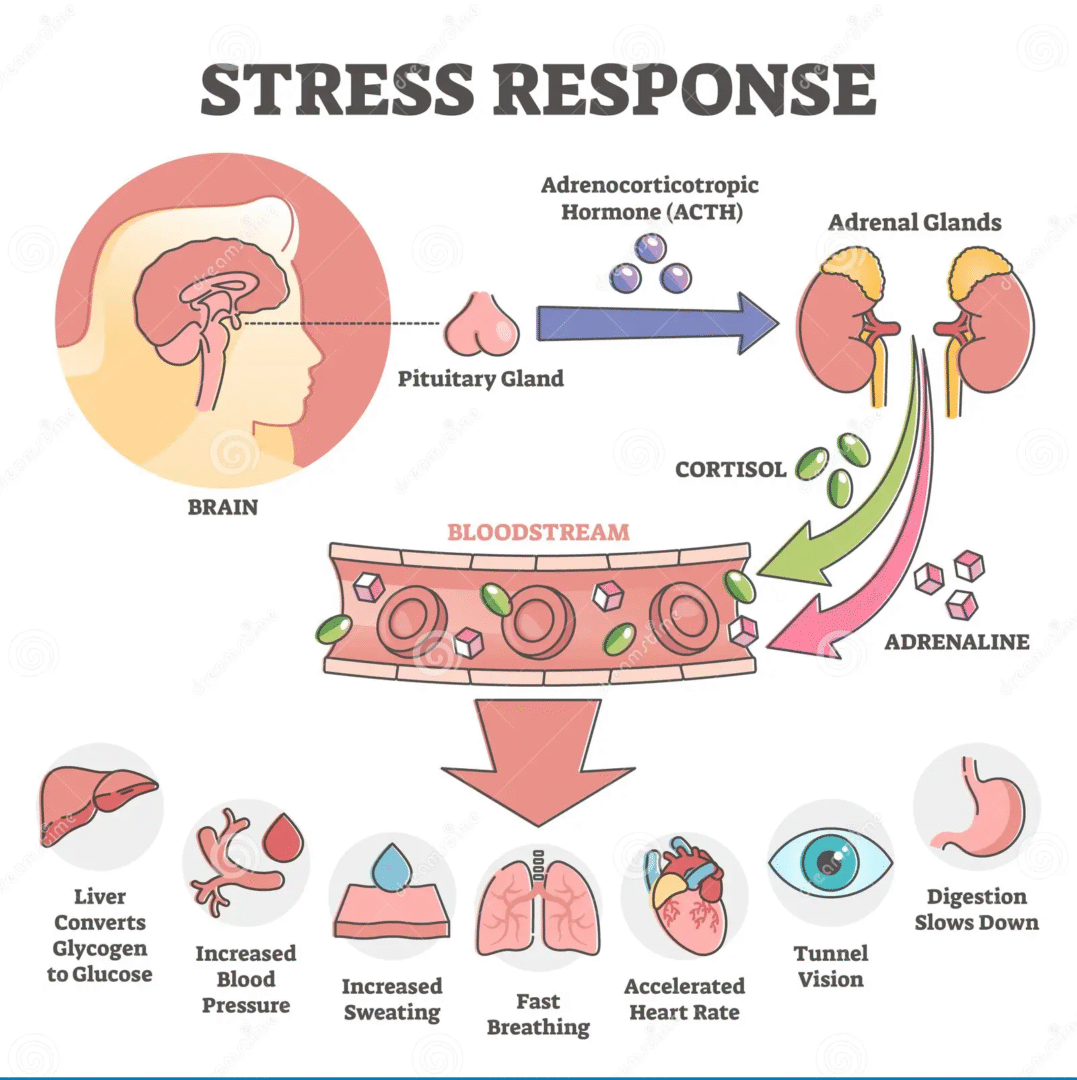
Physical symptoms of trauma show up in surprisingly predictable patterns:
- Chronic tension in your jaw, neck, or shoulders (where we literally “carry” stress)
- Digestive weirdness that doesn’t match your diet
- Sleep that never feels quite restorative
- Headaches that come and go without clear triggers
- Feeling jumpy or on edge in situations that should feel safe
Why Forgetting Isn’t Always Healing
Your brain actually works pretty hard to protect you from overwhelming memories. It’s like having an overprotective parent who hides anything that might upset you, well-intentioned, but not always helpful in the long run.
Meanwhile, your emotional trauma and body connection operates on a completely different timeline. Your nervous system doesn’t really distinguish between “that was then” and “this is now.” Which explains why you might feel inexplicably anxious in crowded elevators, or why certain songs make your chest tight, even when you can’t remember exactly why.
This mind-body trauma disconnect happens because different parts of your system process information at wildly different speeds. Your body reacts in milliseconds, before your thinking brain even knows what’s happening. By the time your conscious mind catches up to analyze the situation, your body has already launched into its protective response.
Sometimes I think about it like this: your mind is the thoughtful friend who wants to talk everything through, while your body is the friend who just grabs your hand and runs when they sense danger. Both responses have their place, but they don’t always communicate well with each other.
Why Massage Therapy Might Be More Than Just Relaxation
This is where things get interesting and genuinely hopeful. Massage therapy nervous system regulation appears to work on levels that go way deeper than just “feeling good for an hour.”
When you receive the right kind of therapeutic massage nervous system support, several things seem to happen simultaneously:
Your cortisol levels drop sometimes dramatically. We’re talking about your primary stress hormone taking what might be its first real break in months or years. Some research suggests even a single session can reduce cortisol by up to 30%, though individual responses vary widely.
Your vagus nerve gets some attention. This nerve is like your body’s master reset switch, connecting your brain to most of your major organs. Craniosacral therapy and certain gentle massage techniques may help activate this nerve, potentially shifting you from “everything is a threat” mode into “maybe I can actually rest” mode.
Those chronically tight spots? They might start to soften in ways that seem almost mysterious. Myofascial release nervous system work appears to help tissues release what they’ve been gripping onto, though exactly how this works is still being studied.
What Actually Works for Nervous System Support?
Not all bodywork approaches trauma the same way, and what works varies dramatically from person to person.
Deep tissue work can be powerful, but timing matters enormously. If your nervous system is already activated and hypervigilant, aggressive pressure might actually reinforce trauma patterns rather than heal them. It’s a bit like trying to calm down a spooked horse by yelling at it, technically you’re communicating, but probably not in a helpful way.
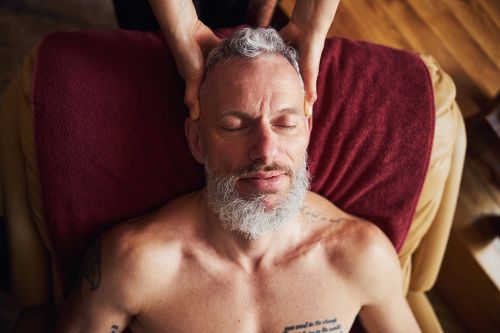
Gentle, consistent pressure often seems more effective for nervous system massage support. Less “attack the knots,” more “have a gentle conversation with your tissues.” This approach may help your body remember what safety feels like.
Craniosacral therapy uses incredibly light touch so subtle that some people initially wonder if anything is actually happening. Then they sleep better than they have in years, or notice their chronic headaches have mysteriously disappeared.
The key appears to be working with your nervous system rather than trying to force it into submission.
Learning Your Body’s Language
How can you tell if your physical symptoms might be trauma-related? Your body tends to give you clues, but they’re not always obvious.
Do you have muscle tension trauma that doesn’t respond to typical treatments? Pain that seems to migrate or change intensity based on stress levels rather than physical activity? Chronic stress and trauma often create patterns that don’t make logical sense from a purely mechanical perspective.
Trauma triggers body response in ways that can be subtle. Maybe you feel nauseous during conflict, not just major arguments, but even minor disagreements. Or your lower back seizes up during busy periods at work, even when you’re not doing physical labor. These patterns might not be coincidences.
I remember one client who got severe neck pain every December. Took us months to realize it coincided with the anniversary of her father’s death. Her body was keeping track of something her mind had learned to push through.
The Emerging Science of Body-Based Healing
Somatic trauma work operates on a premise that might initially sound a bit woo-woo but actually has growing scientific support: healing can happen through the body, not just through talking or thinking.
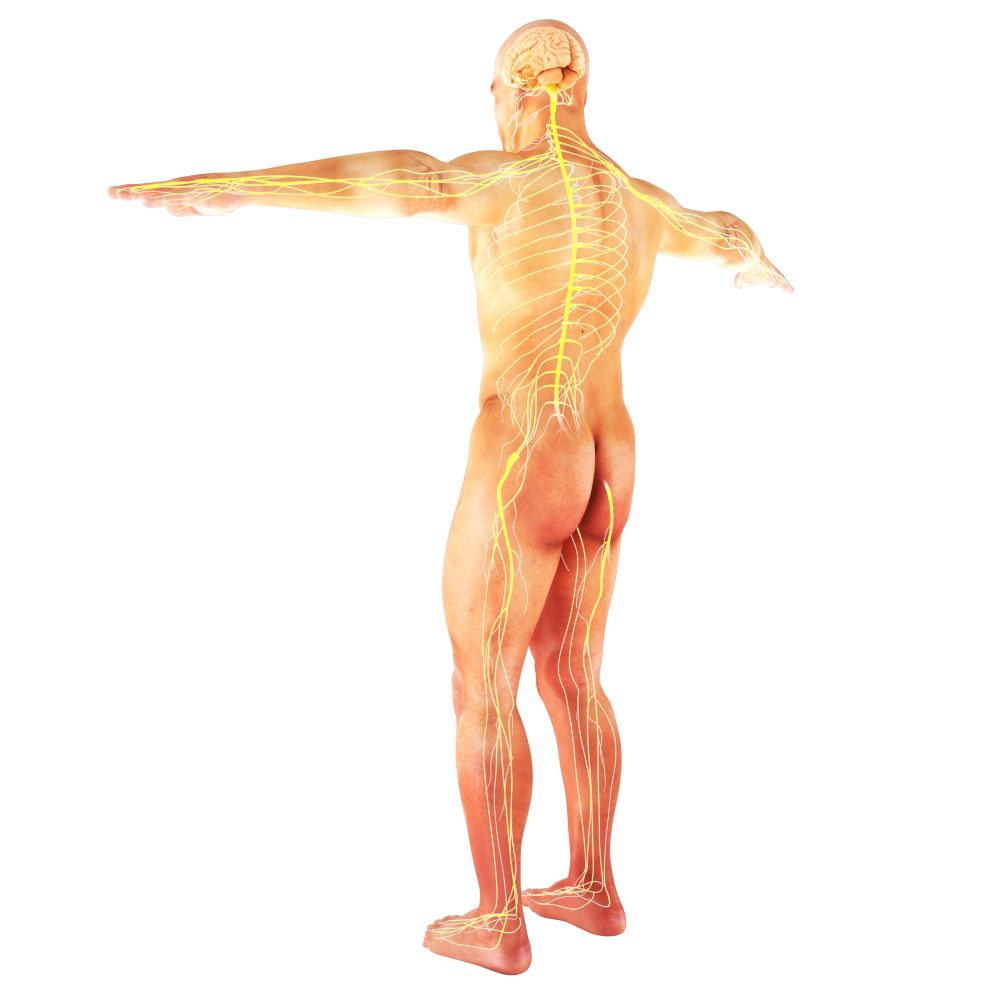
When we support the nervous system through appropriate touch, we may be essentially helping update your body’s outdated threat-detection system. Trauma and nervous system research suggests that our bodies can learn new responses, they’re not permanently stuck in old patterns.
This is where nervous system massage becomes potentially transformative rather than just temporarily relaxing. Instead of just treating symptoms, you might be addressing some of the underlying patterns stored in your tissues.
Though it’s worth noting that this field is still evolving. We’re learning that trauma affects people differently, and what works for one person might not work for another. The research is promising, but it’s not a magic bullet.
Your Body’s Own Wisdom
What continues to fascinate me is how your body seems to have its own intelligence about healing. Mind-body trauma healing often happens when we simply create the right conditions and get out of the way, rather than trying to force specific outcomes.
Each session of massage for anxiety and tension becomes an opportunity for your nervous system to practice a different response. Instead of always being on guard, it gets to experience what regulation feels like. Over time, these moments of calm may become more accessible.
Trauma stored in the body doesn’t have to be a permanent sentence, though healing rarely follows a straight line. Progress might look like sleeping better for a few weeks, then having a rough patch, then noticing you’re less reactive in situations that used to trigger you.
Moving Forward (Without the Pressure to “Fix” Everything)
The thing about somatic memory trauma is that it appears to be changeable. Just as your body learned certain protective responses, it can potentially learn different ones.
Whether through specialized massage therapy nervous system regulation, craniosacral work, or other trauma release techniques, you’re not necessarily stuck carrying the physical echoes of difficult experiences forever. But healing happens on its own timeline, not according to our preferences or schedules.
Your body has been keeping score, yes, but maybe it’s also been keeping hope. Every moment of genuine rest, every gentle touch, every time your nervous system gets to practice being safe might be building toward something different.

Healing isn’t linear, and your body’s responses make sense even when they feel frustrating. When your body remembers what your mind tries to forget, it’s not working against you, it’s doing its best to protect you with the tools it developed during difficult times.
Maybe the goal isn’t to forget or override these responses, but to gradually expand your body’s repertoire of possible responses. To help it remember that safety is possible too.
Curious about supporting your nervous system’s healing journey? Consider exploring gentle bodywork approaches that honor both your body’s protective wisdom and its capacity for change. Your tissues have stories and with the right support, they might be ready to add new chapters.